
Rest, Stress and Their Metabolic Connections
Exploring how sleep and stress affect metabolism based on scientific research
Educational Content: This article explains research on sleep, stress, and metabolic function. It does not provide personal health recommendations or medical advice.
The Interconnection Between Sleep, Stress, and Metabolism
While nutrition and physical activity are widely discussed components of health, sleep and stress management significantly influence metabolic processes and energy regulation. These lifestyle factors interact with nutritional status and physical activity to affect overall physiological function.
Sleep and Metabolic Regulation
Sleep Duration and Quality
Adequate sleep is associated with proper functioning of multiple physiological systems. Sleep duration recommendations for adults typically range from 7 to 9 hours per night, though individual needs vary. Sleep quality—the ability to fall asleep, stay asleep, and achieve deep sleep stages—is also important.
Hormonal Regulation During Sleep
Sleep significantly influences hormone production and regulation:
- Growth Hormone: The majority of growth hormone is released during deep sleep stages. Growth hormone supports tissue repair, bone health, and metabolic function.
- Ghrelin and Leptin: Sleep duration affects production of these appetite-regulating hormones. Insufficient sleep is associated with elevated ghrelin (stimulates appetite) and reduced leptin (signals fullness), potentially leading to increased appetite and food intake.
- Cortisol: This stress hormone follows a daily rhythm, typically highest in the morning and declining through the day. Disrupted sleep patterns affect cortisol regulation.
- Insulin Sensitivity: Sleep deprivation is associated with reduced insulin sensitivity, affecting glucose regulation and potentially increasing diabetes risk.
Sleep and Energy Metabolism
During sleep, the body undergoes important metabolic processes including tissue repair, hormone synthesis, and memory consolidation. These processes require energy and nutrients. Adequate sleep supports efficient metabolism, while sleep deprivation may reduce metabolic efficiency.
The Impact of Chronic Stress
The Stress Response System
The human body has evolved to respond to stress through the activation of the sympathetic nervous system, sometimes called the "fight or flight" response. In this state, cortisol and adrenaline (epinephrine) are released, increasing heart rate, blood pressure, and blood glucose availability.
Acute vs. Chronic Stress
Acute stress triggers this response temporarily, and the body returns to normal function once the stressor is resolved. However, chronic or persistent stress keeps this system activated, leading to sustained elevation of stress hormones and various physiological adaptations.
Metabolic Effects of Chronic Stress
Chronic stress affects metabolism through multiple mechanisms:
- Cortisol Elevation: Sustained elevated cortisol affects energy storage patterns, particularly in the abdominal region, and influences glucose regulation.
- Appetite Changes: Stress affects hunger hormones, sometimes increasing appetite and potentially leading to increased food intake. Some individuals experience opposite effects.
- Immune Function: Chronic stress suppresses some aspects of immune function while promoting inflammation in others.
- Sleep Disruption: Stress and elevated cortisol can interfere with sleep quality and duration, creating a reinforcing cycle.
- Nutrient Absorption: Chronic stress affects digestive function and can impair nutrient absorption.
Sleep-Stress Interconnection
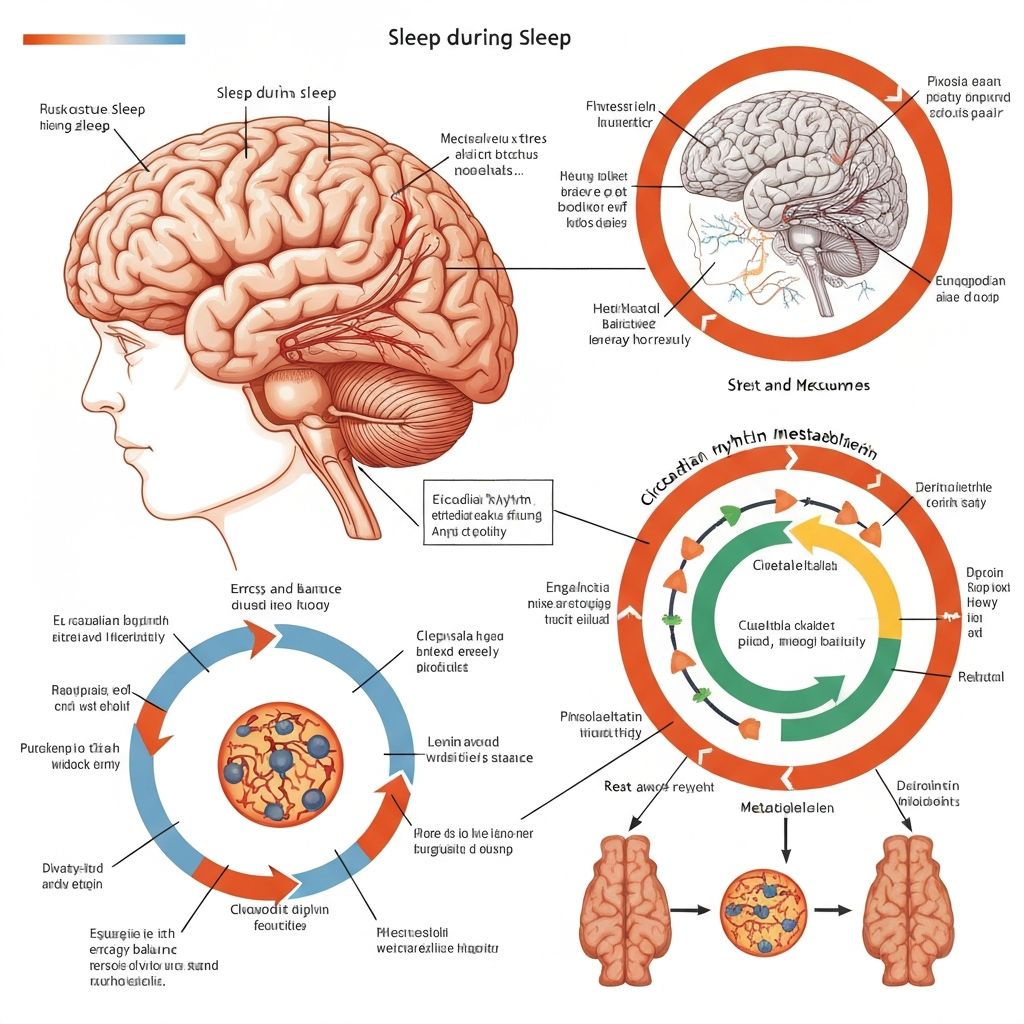
Sleep and stress significantly influence each other. Stress can interfere with sleep quality and duration, and inadequate sleep increases stress sensitivity and reduces the body's ability to manage stress. This creates a potential reinforcing cycle where poor sleep increases stress reactivity, which further disrupts sleep.
Stress Management Approaches
Research suggests various approaches may support stress management, though individual responses vary:
- Physical Activity: Regular exercise can reduce perceived stress and promote better sleep, though excessive exercise close to bedtime may be counterproductive.
- Mindfulness and Meditation: Research indicates these practices may reduce cortisol levels and support psychological well-being.
- Social Connection: Strong social relationships are associated with better stress management and health outcomes.
- Time in Nature: Exposure to natural environments is associated with stress reduction in various studies.
- Adequate Rest: Prioritizing sleep and downtime supports stress resilience.
- Consistent Routines: Predictable daily routines may support better sleep and stress management.
Sleep Hygiene and Support
Sleep hygiene refers to practices that support good sleep quality:
- Maintaining consistent sleep and wake times, even on weekends
- Creating a cool, dark, quiet sleep environment
- Avoiding stimulating substances like caffeine before sleep
- Limiting screen time before bed
- Engaging in relaxing activities before sleep
- Exercising regularly, but not close to bedtime
- Managing light exposure, including morning exposure to support circadian rhythm
Individual Variation in Sleep Needs and Stress Response
Just as energy needs vary among individuals, sleep requirements and stress responses also vary. Some individuals function well with slightly less sleep, while others need more. Similarly, individuals differ in stress sensitivity and in which stress management approaches prove most effective.
The Broader Context
While nutrition and exercise often receive more attention in discussions of metabolism and health, sleep and stress management are equally important components. These factors work together—adequate sleep supports better food choices and exercise performance; effective stress management improves sleep quality; physical activity supports stress resilience; and good nutrition supports both stress management and sleep quality.
Research Continues
Ongoing research continues to clarify the mechanisms through which sleep, stress, and metabolic health interact. Individual responses to various interventions vary, and what supports one person's health may differ for another based on genetics, circumstances, and other factors.
Explore Related Topics
Interested in learning more about related concepts? Browse our other blog articles:
Energy Balance Demystified Macronutrients Explained